



Most people think of tint and paint protection as summer purchases. Heat, sun, road trips. But in the Upstate, winter does its own kind of damage — it is just quieter about it.
Brine on I-85 and I-26 before every cold snap. Sand on the bridges. Frosty mornings and a defroster blasting hot air on cold glass. A low sun that hits you square in the eyes on the drive home, and darkness by 5:30. Here is how window tint, PPF, ceramic coating and windshield film hold up through all of it — and why late fall is actually one of the best times to get them done.
The short version: yes, you can tint in winter — it goes on inside the shop, it just takes longer to cure. And winter is when paint, glass and wheels take the worst beating of the year from brine, sand and temperature swings.
Can you tint your windows in winter?
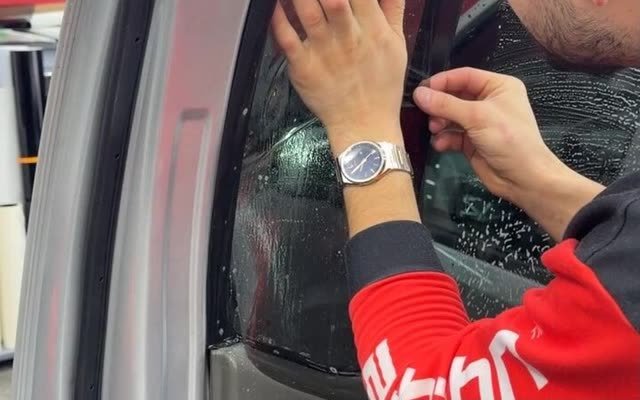
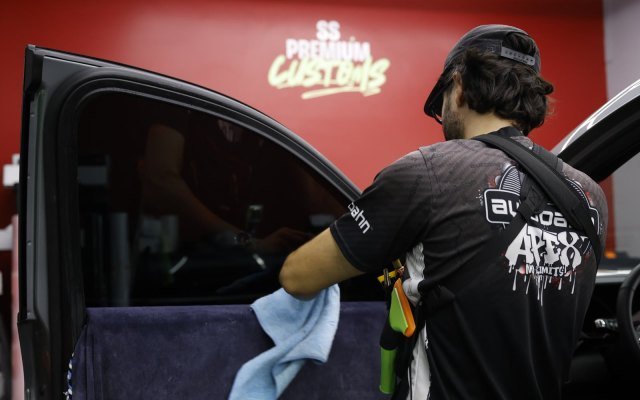
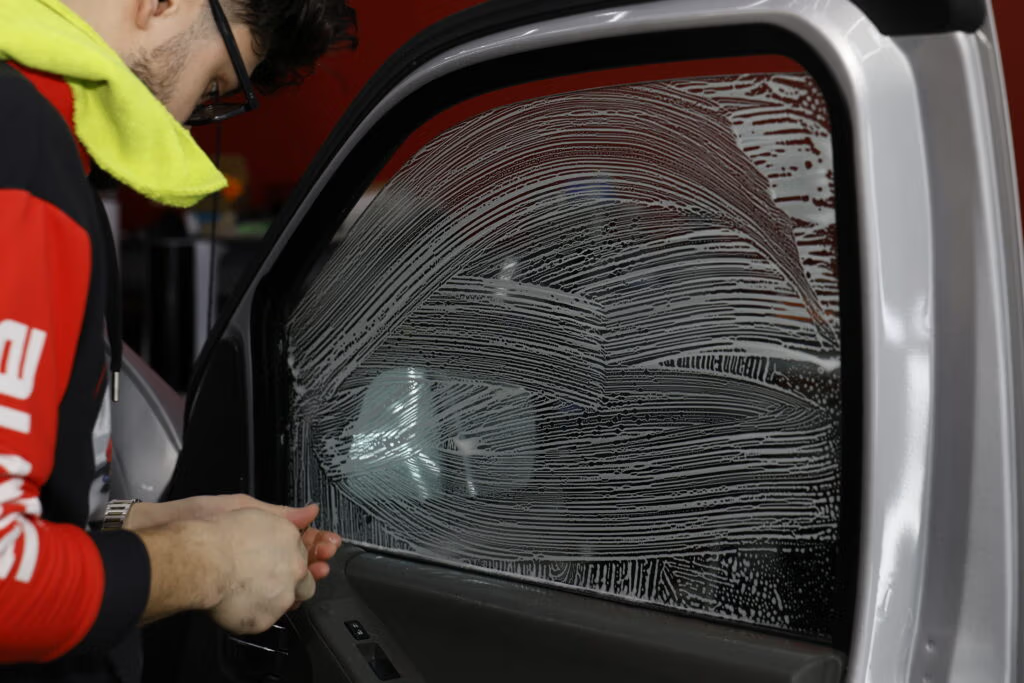
Yes. Tint is installed inside our shop, not in a parking lot, so the weather outside does not change how the film goes on. What winter changes is how long it takes to cure.
Window film is applied wet, and the last bit of moisture under the film has to evaporate through it. Heat and sun speed that up; cold and damp slow it down:
| Season | Keep the windows up | Fully cured |
|---|---|---|
| Summer, hot and sunny | 2–3 days | About 1 week |
| Spring / fall | 3–4 days | 2–3 weeks |
| Winter, cold or damp | 4–5 days | 3–4 weeks |
In practice that means a little haze or a few small water pockets can hang around for a couple of weeks in January. That is normal, and it clears on its own. Parking in the sun on purpose for a few afternoons speeds it along. The full rundown is in How Long Does Window Tint Take to Cure?
Why tint still matters when it is cold
The winter sun is lower — and brighter in your eyes
In December the sun sits low in the sky all day. On the morning and evening commute it comes straight through the side and rear windows instead of over the roof. Tint takes the edge off that glare, especially on long east–west stretches of I-85.
UV does not take the winter off
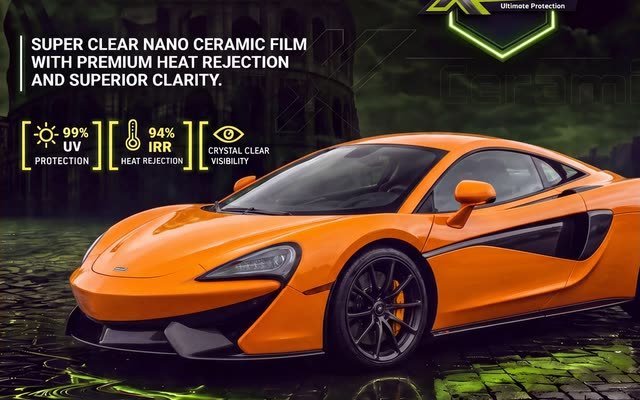
Clouds and cold air do very little to stop UVA, the part of sunlight that ages skin and fades dashboards and leather. Every film we install blocks 99% of UV, every day of the year.
Early dark, more privacy
By December it is dark before most people leave work. Holiday shopping means bags and boxes on the back seat in parking lots after sunset. Tint keeps what is inside the car out of sight.
A little extra security
Window film bonds to the inside of the glass and helps hold it together when it breaks — in a smash-and-grab or an accident. It is not armor, but it makes a quick grab slower and keeps shards off the seats.
The rear defroster still works
Tint goes right over the defroster lines without blocking them. Once the film has cured, use the defroster as normal. The one rule: never scrape the inside of the rear glass.
What winter does to your paint
The Upstate rarely gets real snow, but it gets plenty of winter road treatment:
- Salt brine. Before a cold snap, interstates and bridges get sprayed with brine. It clings to the lower doors, rockers, wheels and underside, and it is corrosive.
- Sand and grit. Sand spread on overpasses and ramps gets thrown back at the front of every car behind the truck that spread it.
- Scrapers and snow brushes. One rushed morning with a stiff brush or an ice scraper on the hood leaves scratches that stay all year.
- Grime that sits. Short winter days and cold weather mean fewer washes, so road film and brine sit on the paint for weeks.
How PPF helps
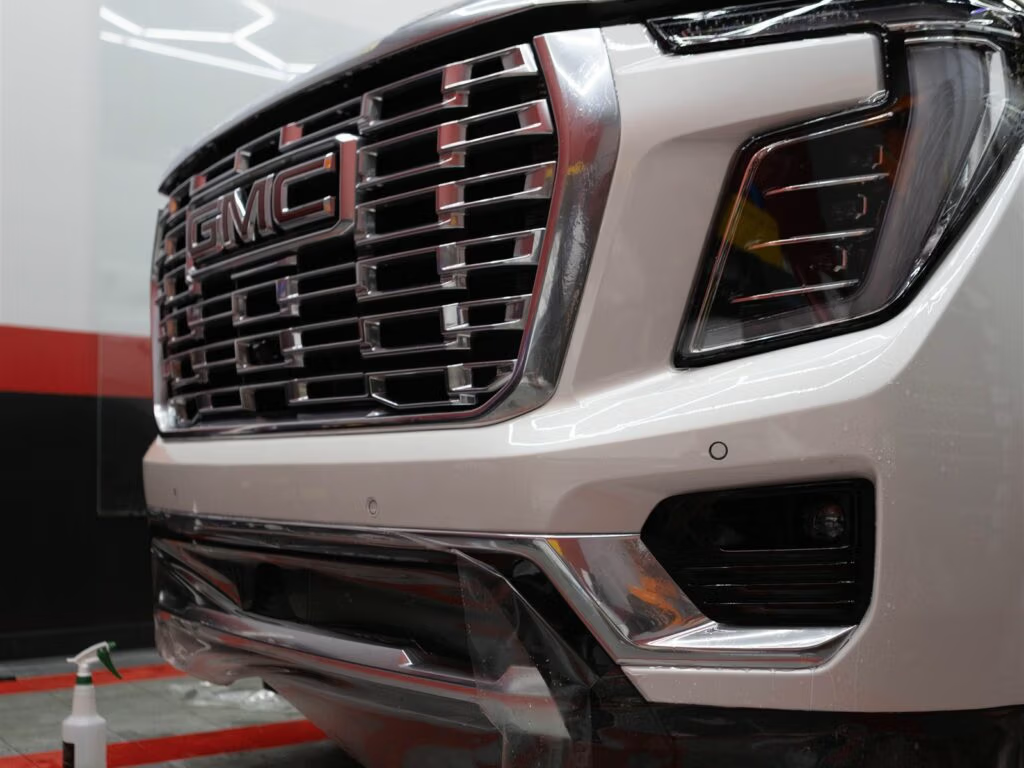
Paint protection film takes the sand and gravel hits on the hood, bumper, mirrors and rockers, and it is a physical barrier between brine and the clear coat. Light scratches from a brush or scraper heal with heat. In winter that just takes a little help: warm water or a sunny afternoon does it.
How ceramic coating helps
A ceramic coating makes brine and road film far less able to stick, so a quick rinse takes off what would otherwise need scrubbing. Coated wheels shed brake dust and salt the same way. And frost and light ice release from a slick, coated surface more easily.
Winter is crack season for windshields
A chip you picked up in October often turns into a crack in January. Cold glass plus a blast of hot air from the defroster puts stress right on the weakest point — the chip.
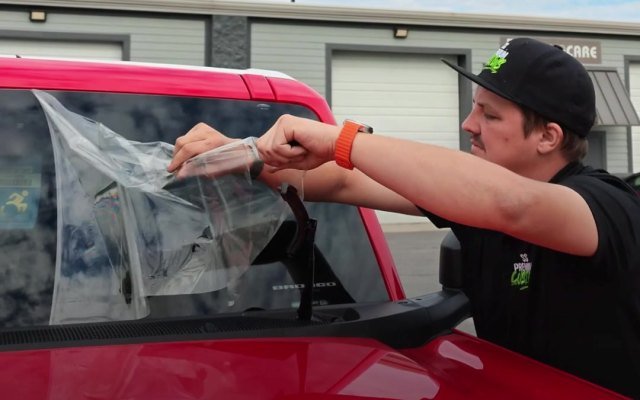
Windshield protection film is a clear film on the outside of the glass that takes the hit from sand and gravel so chips never start. It is $450 installed, which is a fraction of a modern windshield with cameras and sensors.
Your winter checklist
Tinted windows
- Keep the windows up for the full cure time — 4 to 5 days in cold weather.
- If a window is frozen shut, do not force it down. Let the car warm up first.
- Never scrape the inside of the glass, and use only ammonia-free cleaner.
Paint, PPF and coating
- Rinse off brine every week or two, especially the lower panels, wheels and wheel wells.
- Use a soft snow brush on paint, never an ice scraper.
- Skip brush car washes — they put swirls into paint, film and coating. Hand wash, or touchless in a pinch.
- Warm water helps PPF heal light marks when the sun is not doing it.
Windshield
- Start the defroster on low and let the glass warm up gradually.
- Never pour hot water on a frozen windshield.
- Get chips repaired before the first freeze, and replace old wiper blades.
- Do not use the wipers to clear ice.
Why late fall is a smart time to book
Protection works best when it is on before the damage. Getting PPF, coating and windshield film done before the first brine trucks roll means the car goes into winter covered instead of coming out of it chipped. And tint installed now has months to cure completely, long before the first hot day of spring.
| Service | Price |
|---|---|
| Ceramic tint — all windows + windshield, free glass ceramic coating | $600 |
| Carbon tint — sides and back | $250 |
| Windshield protection film | $450 installed |
| Paint protection film | From $1,200 |
| Ceramic coating | From $299 |
Quick answers
Can you tint a car when it is cold outside?
Yes. The film is installed inside the shop. Cold weather only makes the cure take longer — plan on keeping the windows up for 4 to 5 days.
Will ceramic tint make my car colder in winter?
Not in any way you will notice. Ceramic film mainly blocks the infrared heat in direct sunlight; on a cold morning the heater does the work either way. The summer benefit is far bigger than any winter trade-off.
Can I use the rear defroster after tinting?
Yes, once the film has cured. Tint does not block the defroster lines. Just never scrape the inside of the glass.
Can PPF and ceramic coating be installed in winter?
Yes. Both go on indoors on a clean, warm panel, so the season outside does not matter.
Do I really need to wash the car more in winter?
Rinsing off brine every week or two makes a real difference, especially on the lower panels and wheels. On a coated car it takes a few minutes.
Get the car ready before the first cold snap
Tell us the year, make and model and what you want done — tint, PPF, coating or windshield film. We will give you a price and a date.