



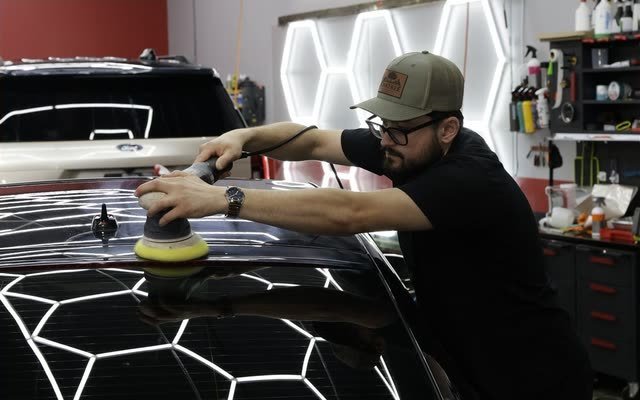
One rock off the back of a gravel truck on I-85 and your day changes. Sometimes it is a tiny star you can live with. Sometimes it is a crack that runs across the glass the next cold morning, the moment the defroster kicks on.
Windshield protection film exists so that rock hits the film instead of the glass. Here is why it is one of the best-value upgrades you can put on a car right now, what it can and cannot do, and who gets the most out of it.
In one sentence: windshield protection film is an optically clear film applied to the outside of the windshield that absorbs the small impacts that chip, pit and crack glass — a replaceable layer that costs a fraction of a new windshield.
Why windshields are worth protecting now
A windshield used to be a piece of glass. On a modern car it is closer to a component:
- It carries cameras and sensors. Lane-keeping, automatic emergency braking and adaptive cruise on many newer cars look through a camera mounted behind the windshield. Replace the glass and that camera usually has to be recalibrated.
- It is part of the structure. The windshield is bonded into the body and helps support the roof and the passenger airbag. A windshield bonded at the factory is a seal worth keeping.
- It is often specialty glass. Heads-up display, acoustic layers, rain sensors, heated wiper areas — each one adds to the price of the replacement.
Add those up and replacing a windshield on many newer vehicles can run well over $1,000 once recalibration is included — plus a day without the car.
How the film works
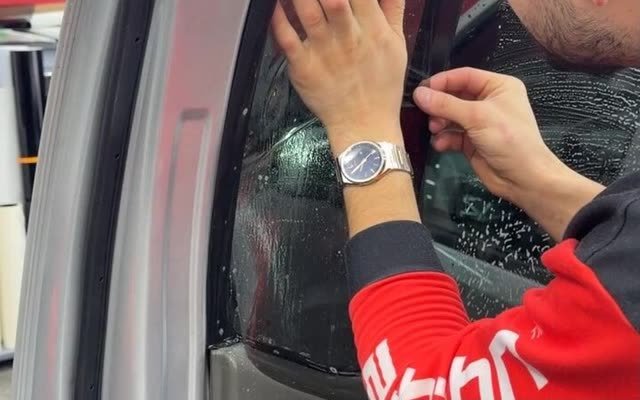
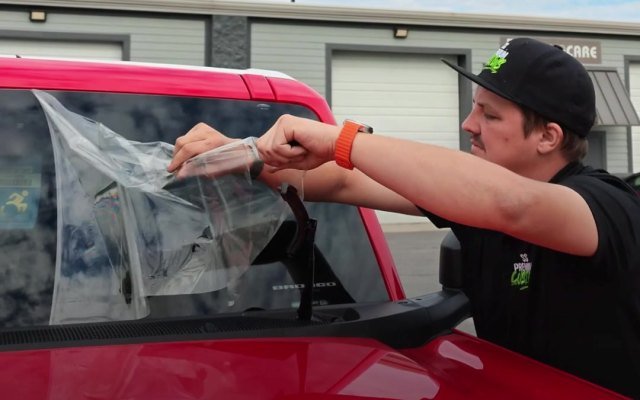
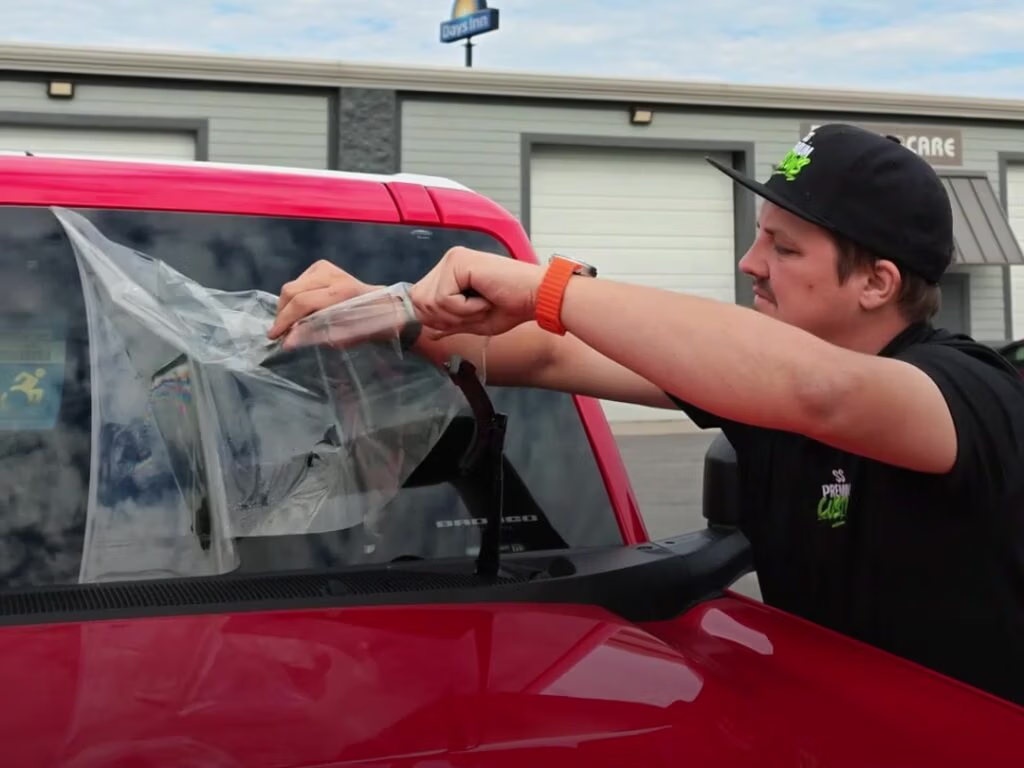
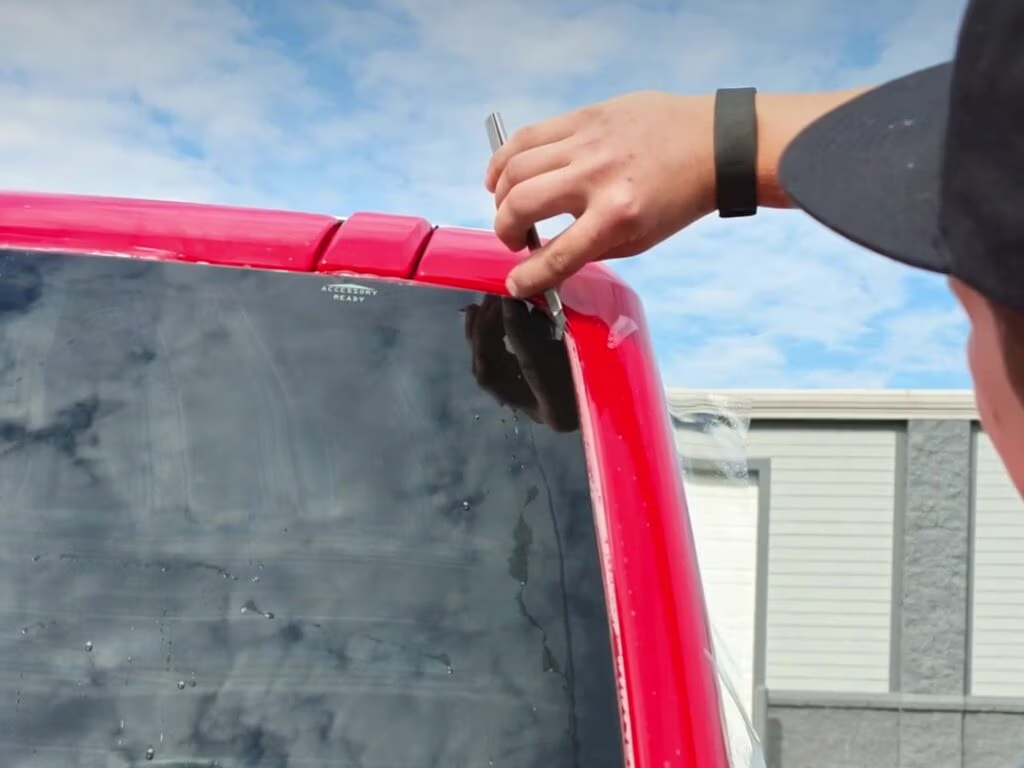
Windshield protection film is an optically clear, impact-absorbing film made specifically for glass. It is applied to the outside of the windshield and trimmed precisely to the edges.
When a small rock or a spray of sand hits, the film absorbs and spreads the energy instead of letting it land on one tiny point of the glass. That point impact is what starts a chip, and a chip is what grows into a crack.
Think of it as a sacrificial layer. Over time the film takes the pitting and wear that would otherwise go into the glass. When it is worn, it is peeled off and a new one goes on — and the windshield underneath stays factory.
The real benefits
Fewer chips and cracks
The everyday stuff — gravel off a truck, sand in a construction zone, debris kicked up on the interstate — is exactly what the film is built to absorb. Fewer hits reach the glass, so fewer chips start, and fewer chips grow into cracks when the temperature swings between a hot afternoon and a cold A/C vent, or a frosty morning and the defroster.
No pitting, less glare
Even without a single chip, years of highway miles sandblast a windshield into thousands of tiny pits. You notice it at night and when driving into a low sun: headlights and sunlight scatter into a starburst glare. With film on, the film takes that wear — and film can be replaced. Pitted glass cannot be fixed.
Keep the factory windshield, seal and calibration
Every replacement means cutting out a factory-bonded windshield, setting a new one in urethane and recalibrating the cameras. Protecting the original avoids all of it.
Less downtime
In South Carolina, many drivers with comprehensive coverage can replace a windshield with little or no deductible. Even then, it is a claim, a day without the car and often a separate calibration appointment. Not needing the replacement at all beats every one of those.
Same view, same look
The film is optically clear. From the driver’s seat and from outside, the car looks exactly the same — you just stop flinching every time a truck passes you.
Lease returns and resale
Chips and cracks are a common charge at lease turn-in and an easy reason for a buyer to knock the price down. A clean original windshield avoids both.
Film vs chip repair vs replacement
| Protection film | Chip repair | New windshield | |
|---|---|---|---|
| When | Before any damage | After a chip | After a crack |
| Stops the next chip | Yes, from small debris | No | No |
| Keeps factory glass & seal | Yes | Yes | No |
| Camera recalibration | Not needed | Not needed | Usually required |
| What you see afterward | Nothing | The chip is often still faintly visible | New glass |
| Cost | A fraction of a windshield | Low | Can exceed $1,000 |
Chip repair is a good fix after the fact, and we always recommend it over ignoring a chip. But it only ever treats the damage you already have. Film is the only option on this list that works before the rock arrives.
What it will not do
- It is not bulletproof. A big rock at highway speed, or a hit right at the edge of the glass, can still crack a windshield. The film dramatically improves the odds against the everyday small stuff — which is what breaks most windshields.
- It does not fix existing damage. A chip should be repaired — or a cracked windshield replaced — before film goes on.
- It does not last forever. It is a wear layer. Depending on miles and wiper use, it is typically replaced every one to three years. That is the whole point: you replace a film, not a windshield.
- It is not window tint. Protection film is clear and goes on the outside. Heat rejection is a separate film on the inside — more on that below.
Who needs it most
- Highway commuters. I-85 and I-26 through the Upstate mean construction zones and gravel trucks every single week.
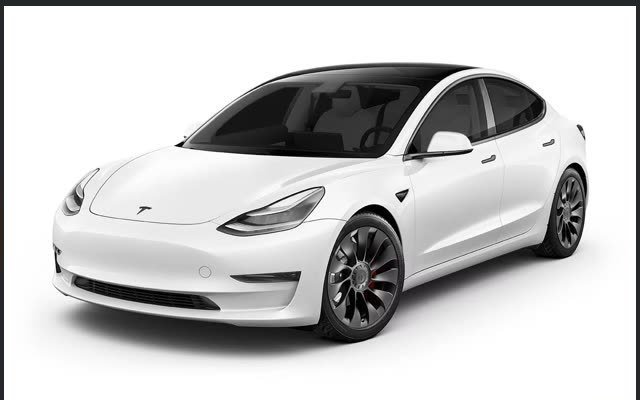
- New cars with cameras, a heads-up display or acoustic glass — the most expensive windshields to replace.
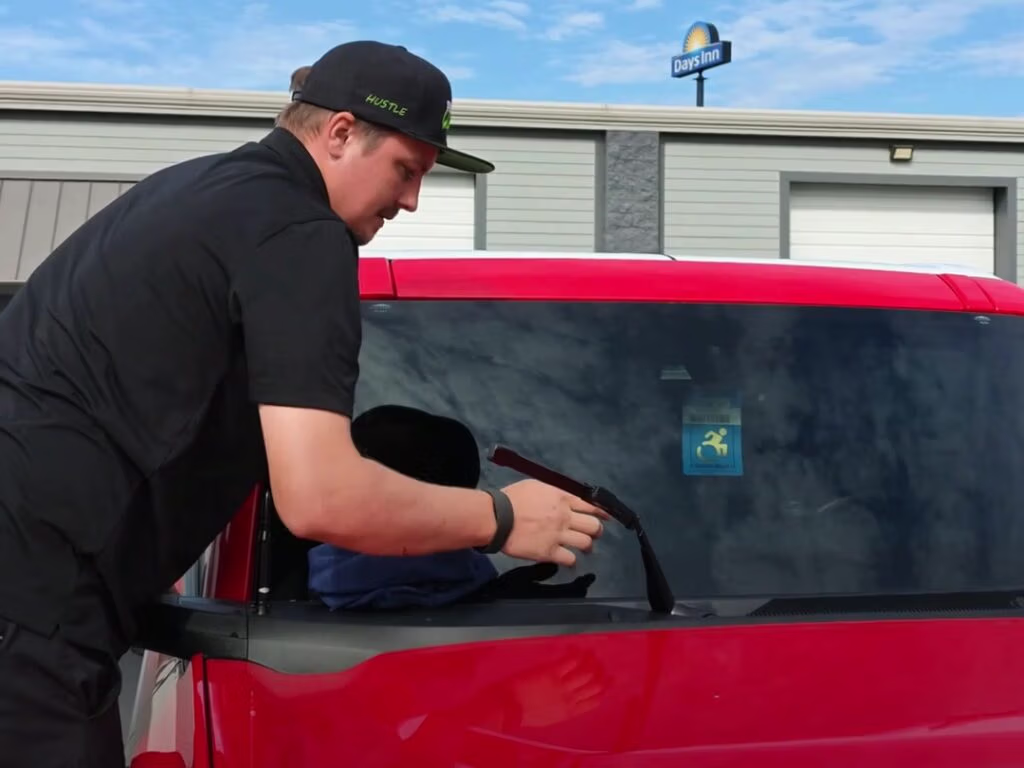
- Trucks, Broncos, Jeeps and SUVs with upright windshields. The more vertical the glass, the more directly it meets every rock.
- Anyone who has already replaced a windshield and does not want to do it again.
- Leased vehicles you want to hand back without a glass charge.
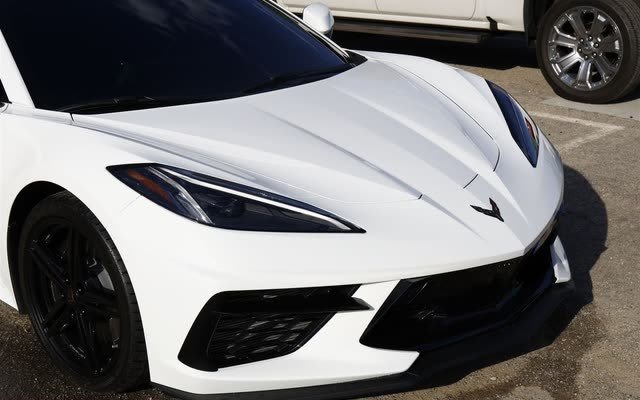
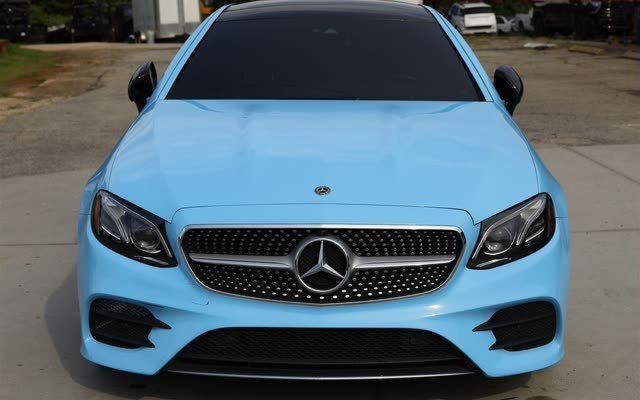
- Cars getting paint protection film on the front end. The hood and bumper are covered — the windshield is the next thing in line. More on PPF in Wrap vs PPF.
Pair it with heat rejection
Protection film goes on the outside of the windshield. Heat-rejection film goes on the inside. They do different jobs, and they work together.
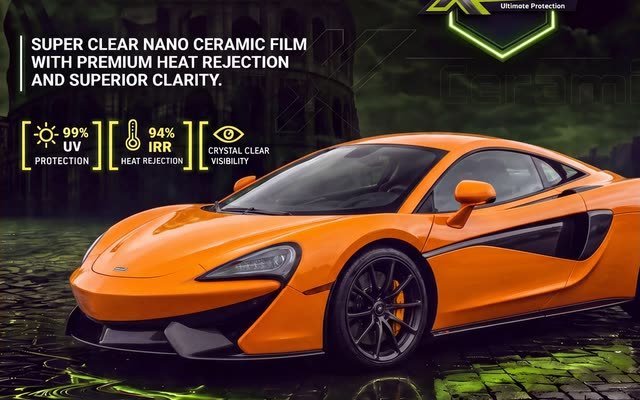
Our X Clear windshield film is a nearly clear nano-ceramic that rejects 94% of infrared heat and 99% of UV, and it is included in our full ceramic window tint package. Protection film on the outside, X Clear on the inside, and the largest piece of glass on the car is guarded from both the rocks and the sun.
Caring for it
- The first few days: a slight haze or small water pockets can show while the install moisture dries out. That is normal and clears on its own.
- Replace old wiper blades. A hard, cracked blade drags grit across the film.
- Never run the wipers on a dry windshield — hit the washer fluid first.
- Skip ice scrapers and razor blades. Let the defroster do the work.
- Clean it gently with a soft microfiber and car shampoo or an ammonia-free glass cleaner.
Quick answers
Can you see the film?
Not from the driver’s seat. It is optically clear, and on the car it is hard to spot even from outside.
How long does it last?
Typically one to three years, depending on how many highway miles it sees and how often the wipers run. When it is worn, we replace the film — not the glass.
Can it go on a windshield that already has a chip?
Small chips should be repaired first so they cannot spread under the film. If the glass is already cracked, we can replace the windshield and protect the new one.
Will it stop every crack?
No film can promise that. It stops most of the small-debris hits that cause chips and pitting, which is what ends most windshields.
Can I get it at the same time as tint or PPF?
Yes — most customers add it to their PPF or tint appointment.
How much does it cost?
$450 installed — a fraction of what a replacement costs, especially on a car with cameras and sensors behind the glass.
Protect the glass before the next rock
Tell us the year, make and model, and whether the windshield has any chips today. We will quote the film — and if you are booking PPF or tint, we can add it to the same appointment.